If you've started researching a pizza oven for your home, you already know that the experience of cooking and eating pizza changes completely when you have the right equipment. A dedicated outdoor pizza cooker runs much hotter than a standard home oven, and that changes how the base cooks. But with a growing number of options available, from fixed wood-fired structures to compact portable gas ovens, knowing exactly what to look for is essential before you spend your money.
This buying guide is written specifically for South African buyers, addressing local gas standards, climate, outdoor living culture, and where to find pizza ovens for sale that are properly certified for use here. Whether you're a weekend entertainer, a pizza enthusiast, or someone who wants a versatile oven portable enough to take on holiday, this guide covers everything you need to make a confident decision.
 The portable gas oven that turns any occasion into a pizza night.
Why a Dedicated Pizza Oven Cooks Differently
Before diving into the buying decision, it's worth understanding why a purpose-built pizza oven is so fundamentally different from your kitchen oven, and why that difference is significant enough to matter to anyone who takes food seriously.
The Temperature Problem with Conventional Ovens
A kitchen oven is built for roasting and baking, and it does not get as hot as pizza likes. In a hotter oven a thin pizza cooks in minutes, so the crust browns and blisters before the toppings dry out. In a kitchen oven the same pizza takes much longer, and the base often comes out pale and stiff.
A dedicated gas or wood-fired pizza oven closes most of that gap. This gas pizza oven runs much hotter than a kitchen oven.
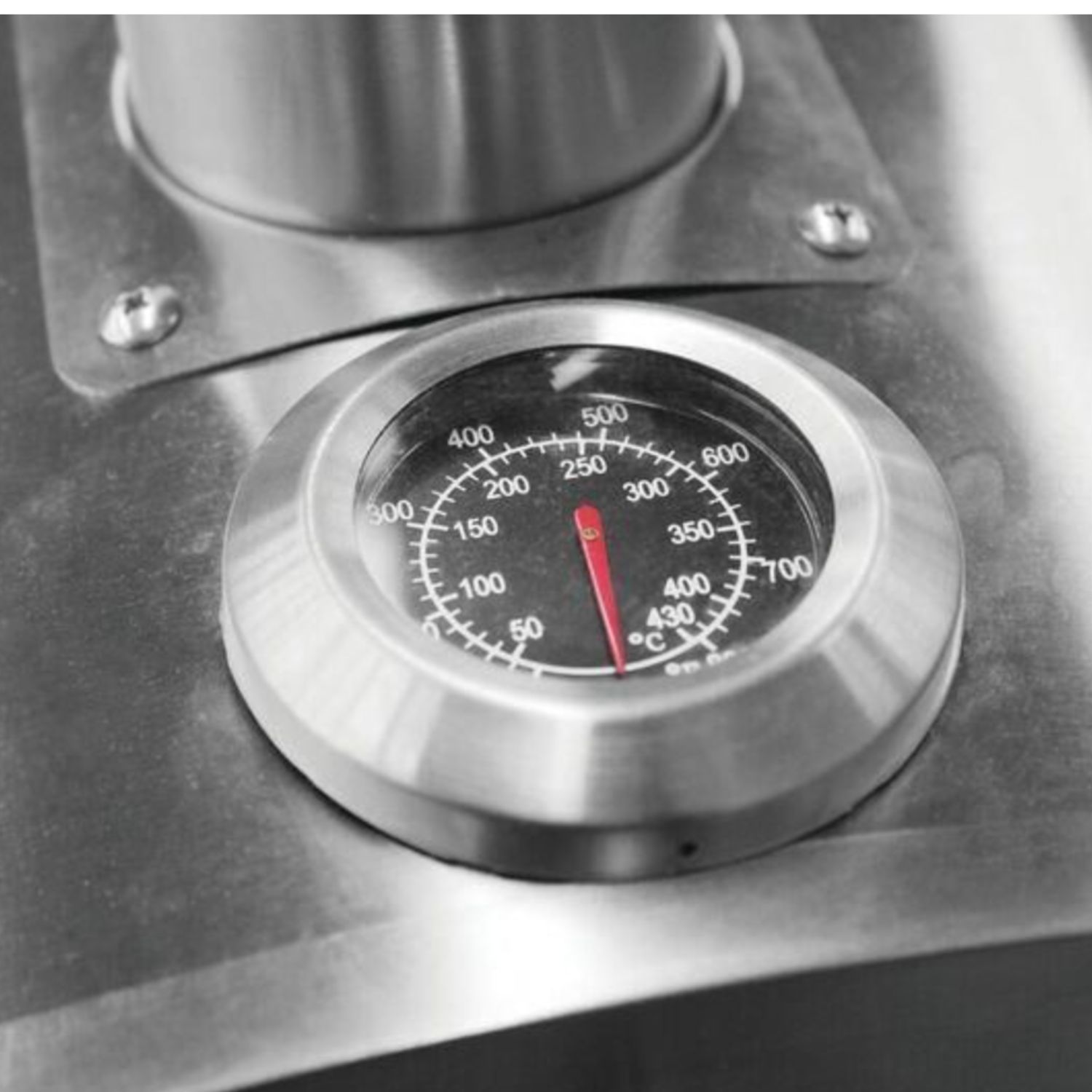 The built-in thermometer shows when the oven is hot enough to start.
The Role of the Pizza Stone
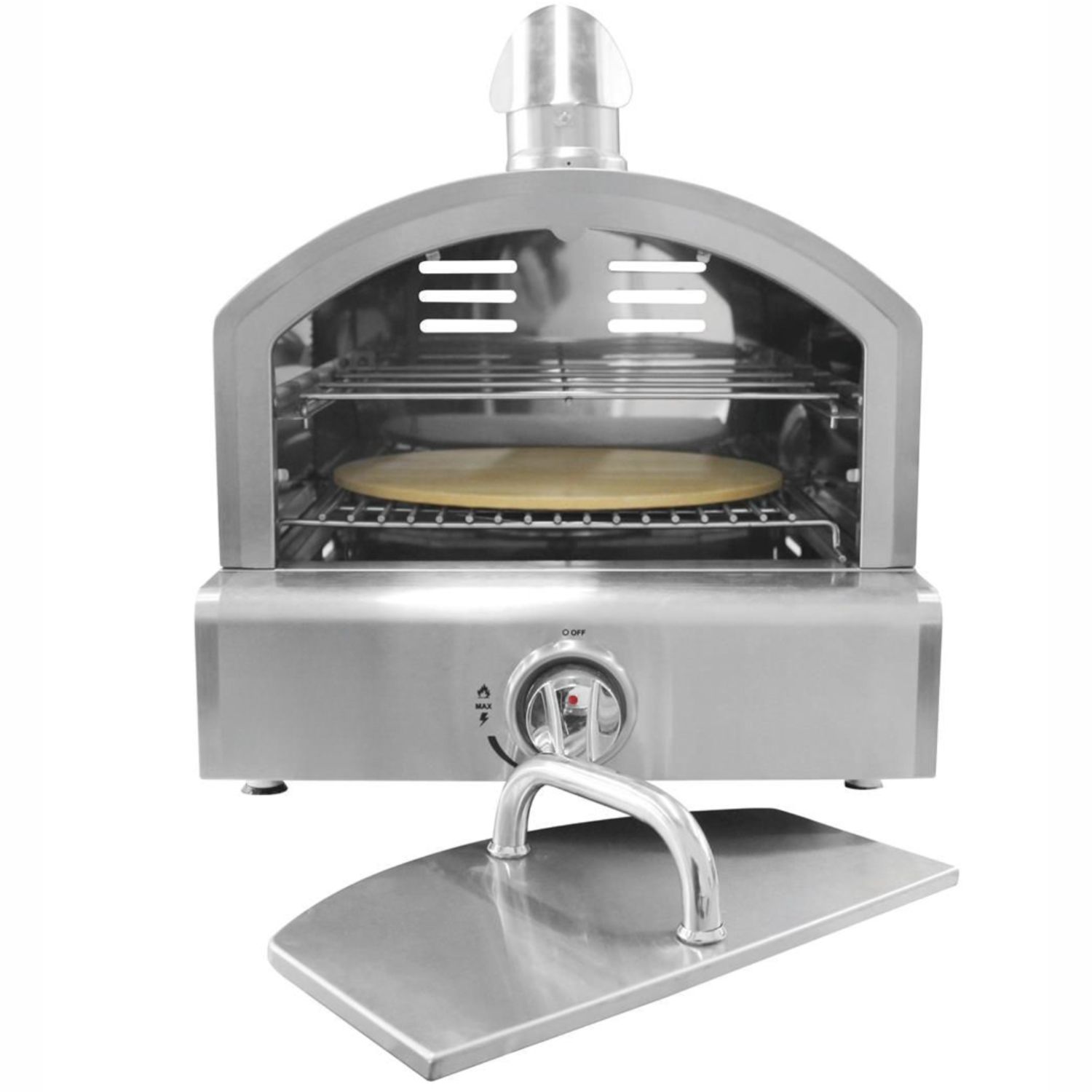
The pizza stone is the second critical element that separates a proper pizza maker setup from a home oven approach. A stone absorbs intense heat and radiates it directly into the base of the dough, cooking the underside crisply and quickly while the top finishes from the ambient heat above. This simultaneous cooking from above and below is what creates the distinctive texture, crispy and slightly charred underneath, airy and open-crumbed within, with toppings that are finished rather than stewed. This gas pizza oven comes with a pizza stone in the box.
Gas Pizza Oven vs Wood-Fired: Which Is Right for You?
When people begin searching for pizza ovens for sale, one of the first decisions they face is fuel type. Both gas pizza ovens and wood-fired ovens have genuine merits, and neither is universally "better", the right choice depends on how you cook, where you cook, and how much effort you want to invest in the process.
The Case for a Gas Pizza Oven
A gas pizza oven like this one has several practical advantages for home cooks.
Instant ignition, immediate control
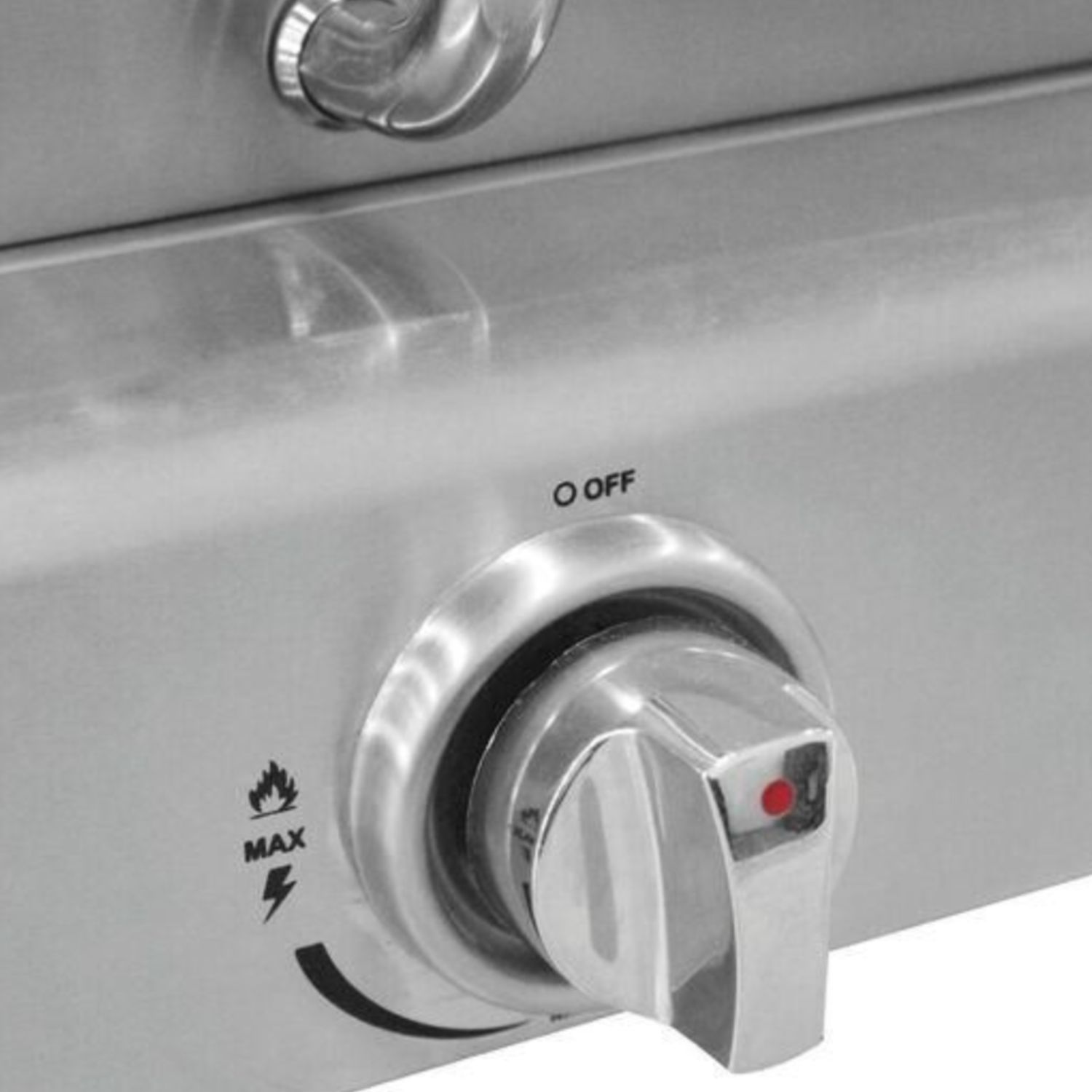
LPG gas ignites at the push of a button. There's no sourcing and storing dry wood, no building a fire and waiting for it to reduce to the right cooking stage, and no managing inconsistent heat caused by wood quality or weather conditions. You turn on the gas, press the ignition, and the oven begins heating immediately.
Heat you can adjust
The built-in thermometer on this gas pizza oven shows the oven temperature as you cook. Gas allows you to dial the heat up or down with a simple valve turn, something that simply isn't possible with a wood fire, which requires managing the fire itself to influence temperature. Steadier heat makes it easier to get the same result from one pizza to the next.
Less mess, easier maintenance
Wood-fired cooking produces ash, soot, and residue that require regular cleaning. A gas pizza oven leaves no wood ash to clear, so cleaning up after a cook is simpler.
Easy to set up
A gas oven can be set up wherever you have a 9kg gas cylinder and a safe outdoor space, which a fixed wood-fired oven cannot. This one weighs 10.5 kg.
When Wood-Fired Makes Sense
Wood-fired ovens do offer one genuine advantage: a subtle, complex smoky flavour in the crust that gas cannot replicate. For the dedicated pizza purist, someone who bakes their own dough, mills their own flour, and finds the ritual of fire-management an enjoyable part of the cooking process, a traditional wood-fired oven is worth the additional effort and cost. These are typically fixed, outdoor structures costing considerably more than a portable alternative, and they require a suitable permanent location. For many home cooks, gas is the easier choice.
What to Look for When Buying a Portable Pizza Oven in South Africa
With more pizza ovens for sale available online and in stores than ever before, it can be difficult to distinguish between a quality appliance and an underperforming one at a similar price point. Here are the key factors to evaluate before committing to a purchase.
Safety Certification
Check which gas safety standard an oven is certified to before you buy, and follow your local gas safety rules when you set it up. The product listing states LPGSASA approval and lists SANS 1539, SANS 1237 and SANS 1156, the South African standards for the appliance, the regulator and the hose.
What's Included in the Box
Some pizza ovens are sold without the stone or the regulator. When comparing prices, always calculate the total cost of getting the oven ready to cook. This gas pizza oven comes with the pizza stone, cooking grill, grid, chimney, four legs and the bullnose hose and regulator, and R7,999 includes free standard delivery.
Temperature Monitoring
A built-in thermometer is a useful feature on any outdoor pizza cooker. Without one, you're relying entirely on timing and guesswork to determine whether the oven has reached cooking temperature, and with a pizza oven, temperature precision matters more than almost any other variable. Look for an appliance that includes a built-in chamber thermometer, ideally with a clear dial visible during cooking.
Size and Portability
Consider how you'll use your portable pizza oven. If you entertain large groups regularly, cooking capacity matters, a 30cm maximum pizza diameter covers most needs comfortably. If portability is important, for holidays, camping, or taking to friends' homes, weight and pack-down dimensions are key. This gas pizza oven weighs 10.5 kg.
Build Quality and Your Rights
Check what an oven is made of. This one has a steel body and a cordierite pizza stone. No separate manufacturer warranty is sold with it; your rights under the Consumer Protection Act apply in full.
This gas pizza oven as an Alfresco Pizza Oven for South African Outdoor Living
South Africa's outdoor living culture is built around the braai, a tradition of gathering, cooking, and eating outside that's embedded in the national identity. This gas pizza oven fits naturally into this way of cooking. It's an outdoor appliance designed for the same social occasions that make the braai such a fixture of South African weekends, but it brings a completely different culinary experience to the table.
A Versatile Outdoor Oven Beyond Pizza
The value of a quality outdoor pizza cooker isn't limited to pizza nights. With the door in place, this gas pizza oven functions as a full outdoor oven capable of roasting chicken, baking artisan bread, cooking flatbreads, charring vegetables, and much more. The cooking grill and grid included in the box extend this versatility further.
Taking It on Holiday
If you like to cook on holiday, you can take this oven with you, as long as you take a 9kg gas cylinder and set it up in an open outdoor space. It weighs 10.5 kg.
Free standard delivery across South Africa. We dispatch within 2 working days.
Order Now: R7,999Getting the Most from Your Gas Pizza Oven: Tips from the First Cook
Owning a great pizza oven is one thing, using it well from the start is another. Here are the most important things to know before your first cook.
Preheat Properly: Always
The single most common mistake with a new outdoor pizza cooker is launching pizzas before the oven and stone have reached full temperature. Allow at least 15 to 20 minutes of preheat time after the thermometer first shows a high reading, the stone takes longer to saturate with heat than the air in the chamber does. A properly preheated stone is what produces that blistered, cracker-like base. Patience here pays dividends in every cook.
Keep Your Dough Thin and Your Toppings Light
At the temperatures a gas pizza oven operates at, a thick base will not cook through before the exterior scorches. Aim for a base no thicker than 3 to 4mm in the centre. Similarly, overloaded toppings release moisture that steams the pizza rather than crisping it. Less is more: a simple Margherita usually cooks better than a loaded pizza.
Use Semolina on the Stone
A light dusting of semolina (not flour, it burns at lower temperatures) on the pizza stone prevents sticking and adds a subtle, pleasant texture to the base. This is the technique used in pizzerias and it translates directly to home cooking in any portable pizza oven.
Rotate and Watch Closely
At proper pizza oven temperatures, the difference between a perfect pizza and an overdone one can be 30 seconds. Rotate the pizza 180 degrees halfway through the cook for an even result. Keep a long-handled metal pizza peel close, it's the safest and most effective way to manage the pizza in a hot oven and is strongly recommended as your first additional accessory.
Season Your Stone Before First Use
On your very first cook, run the oven up to full temperature with the stone in place and allow it to heat through for 30 minutes before cooking anything. This seasons the stone, driving out any residual moisture and preparing the surface for cooking.
Where to Buy a Pizza Oven in South Africa, and What to Avoid
If you've been searching for pizza ovens for sale locally or a pizza gas oven near me, you've likely encountered a wide range of options at varying price points. Here's how to navigate the market sensibly.
Buying Direct
Purchasing directly from a dedicated supplier, as opposed to a general retailer or marketplace, gives you several advantages: better product knowledge, direct help if something goes wrong, and often a more competitive price. Here you buy this gas pizza oven direct at R7,999 with free standard delivery, and if it is faulty or not as described, we put it right.
What to Be Cautious About
The growth in popularity of the pizza oven market has attracted a number of low-quality imports that are priced attractively but lack safety certification, use substandard materials, and are not supported by any meaningful warranty. These often appear on general classified or marketplace platforms. If a portable pizza oven is listed significantly below market rate and comes with no mention of LPGSASA approval or SANS compliance, treat it with caution. The risk to your safety and to your home is not worth the saving.
Checking for SANS and LPGSASA Compliance
Any reputable seller of gas appliances in South Africa should be able to clearly state the compliance certifications their products carry. For a gas pizza oven, look for LPGSASA approval and SANS 1539 compliance as a minimum. A legitimate supplier will have no hesitation in confirming this.
Is this gas pizza oven the Right Pizza Oven for You?
To summarise everything covered in this guide, this gas pizza oven is the right choice if you're looking for a portable gas oven that:
- Bakes pizzas up to 12 inches (30 cm) across on a stone
- Weighs 10.5 kg and sits on a patio table or outdoor counter
- Is listed as LPGSASA approved, with SANS 1539, 1237 and 1156 in its specs
- Comes with the pizza stone, cooking grill, grid, chimney, four legs and the bullnose hose and regulator
- Also bakes bread and roasts meat and vegetables
- Faulty or not as described: we put it right
- Is available with free delivery across South Africa at a total price of R7,999
This gas pizza oven is not the right choice if you're specifically seeking a permanent wood-fired structure for a fixed outdoor kitchen, or if you require a cooking chamber larger than 30cm. For most home cooks who want stone-baked pizza on the patio, it is a simple way to start.
If you have been comparing pizza ovens for sale, check the specs on the product page, and email us with any question before you order.